Introduction
The tragic consequences of drunk driving can lead to severe penalties, including lengthy prison sentences and substantial fines. When someone is convicted of intoxication manslaughter, particularly in situations leading to fatalities, the weight of that conviction can be devastating—not only for the victim's family but also for the accused. In Texas, the legal landscape surrounding intoxication manslaughter is complex, and navigating the appeals process after such a conviction requires expertise and strategic planning. This article serves as a comprehensive guide to help those affected understand their options and navigate through this challenging time.
Table of Contents
Understanding Intoxication Manslaughter- 1.1 Definition of Intoxication Manslaughter 1.2 Legal Implications in Texas 1.3 Consequences of Conviction
- 2.1 Consulting an Intoxication Manslaughter Attorney 2.2 Evaluating Grounds for Appeal 2.3 Filing a Notice of Appeal
- 3.1 Procedural Errors During Trial 3.2 Ineffective Assistance of Counsel 3.3 Newly Discovered Evidence
- 4.1 Gathering Necessary Documentation 4.2 Understanding the Appellate Process 4.3 Importance of Legal Representation
- 5.1 Understanding Appellate Procedure 5.2 Brief Writing and Oral Arguments 5.3 Possible Outcomes of an Appeal
- 6.1 Timeline Constraints 6.2 Emotional Toll on Defendants 6.3 Financial Implications
- 7.1 Why You Need a Specialist in Lubbock? 7.2 How to Choose the Right Attorney?
9-14: Frequently Asked Questions (FAQs)
Navigating the Appeals Process After a Conviction for Drunk Driving Fatality
Understanding Intoxication Manslaughter
Definition of Intoxication Manslaughter
Intoxication manslaughter is defined as causing the death of another person while operating a motor vehicle under the influence of alcohol or drugs to such an extent that it impairs one's ability to operate a vehicle safely.
Legal Implications in Texas
In Texas, intoxication manslaughter is classified as a second-degree felony, punishable by two to twenty years in prison and potential fines up to $10,000.
Consequences of Conviction
The consequences extend beyond imprisonment; individuals may face long-term licensing issues, challenges finding employment, and societal stigma.
Initial Steps After Conviction
Consulting an Intoxication Manslaughter Attorney
It’s crucial to enlist experienced legal representation immediately after conviction.
Evaluating Grounds for Appeal
Your attorney will assess whether there were any legal missteps during your trial that could warrant an appeal.
Filing a Notice of Appeal
This formal declaration must be submitted within thirty days post-conviction.
Grounds for Appeal in Drunk Driving Fatalities
Procedural Errors During Trial
Errors made during trial proceedings—such as improper jury instructions or admission of inadmissible evidence—can form solid bases for appeal.
Ineffective Assistance of Counsel
If your defense attorney failed to perform adequately, this could jeopardize your case and serve as grounds for appeal.
Newly Discovered Evidence
New evidence that could significantly impact your case may provide another avenue to challenge your conviction.
Preparing for Your Appeal
Gathering Necessary Documentation
Collect trial transcripts, evidence presented at trial, and any additional documentation relevant to your case.
Understanding the Appellate Process
Familiarize yourself with how appellate courts function differently than trial courts, focusing more on legal arguments rather than factual ones.
Importance of Legal Representation
Having an attorney skilled in DWI-related manslaughter cases ensures you present the strongest possible argument during appeal proceedings.
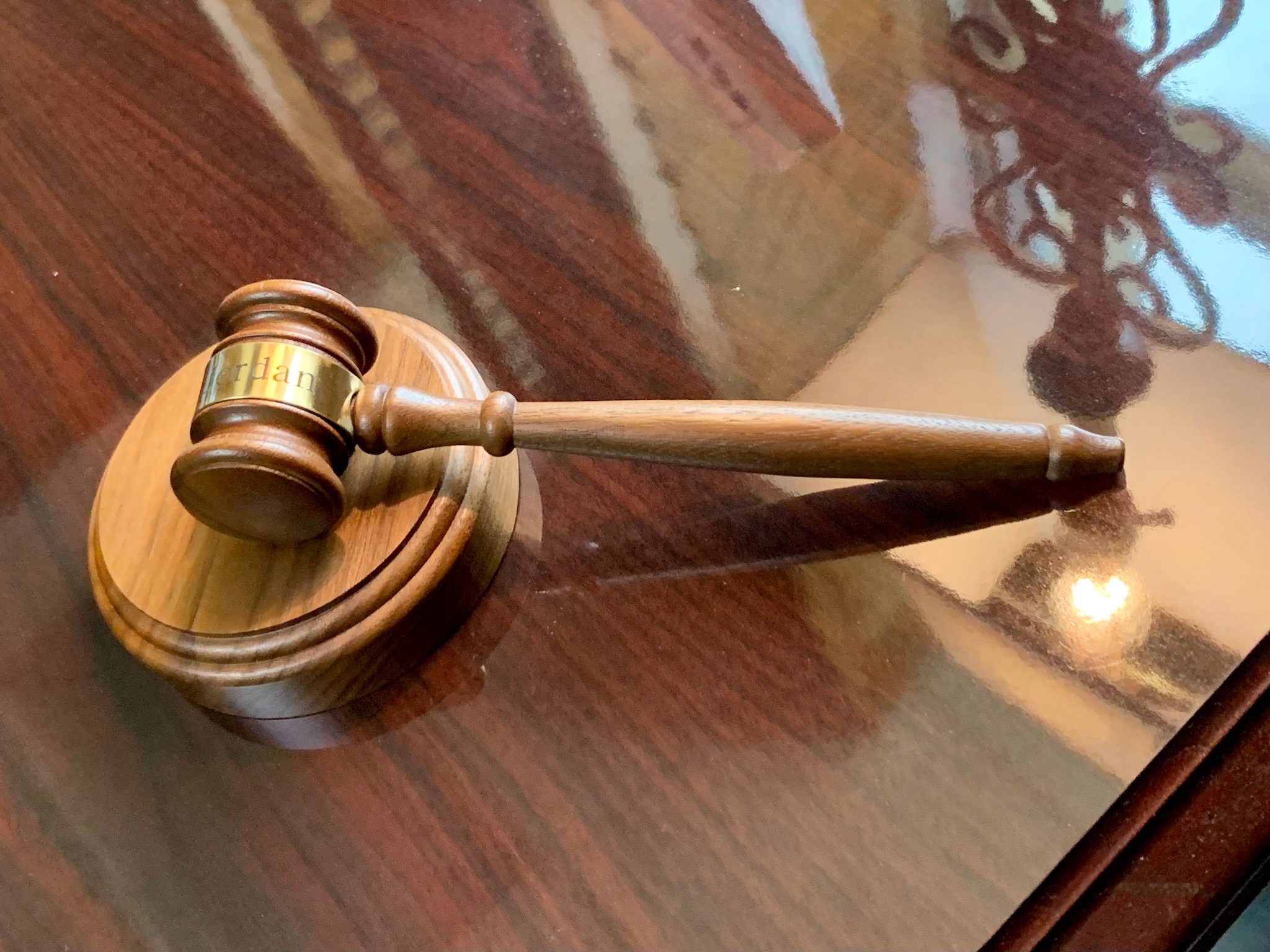
The Appellate Court Process
Understanding Appellate Procedure
Appellate courts do not conduct new trials; they review lower court decisions based on written briefs and oral arguments.
Brief Writing and Oral Arguments
Your attorney will draft compelling briefs highlighting errors from your original trial while preparing you for possible oral arguments before judges.
Possible Outcomes of an Appeal
Outcomes can range from affirming the original verdict to overturning it or ordering a new trial altogether.
Common Challenges in Appeals
Timeline Constraints
Appeals must be filed promptly; missing deadlines can mean losing your chance at reconsideration altogether.
Emotional Toll on Defendants
Living with the uncertainty during appeals can weigh heavily on defendants facing serious charges like intoxicated vehicular manslaughter.
Financial Implications
Legal fees accumulate quickly during appeals; understanding costs up front can help manage expectations throughout this complex process.
Role of an Experienced Manslaughter Lawyer
Why You Need a Specialist in Lubbock?
An attorney adept in intoxication manslaughter laws will have nuanced knowledge about local court systems that may benefit your case significantly.
How to Choose the Right Attorney?
Look for qualifications such as experience with similar cases, client testimonials, and proven track records within Lubbock TX's legal community.
Conclusion
Navigating through the appeals process after being convicted for drunk driving fatality is undeniably complicated and often daunting; however, with informed choices and expert legal guidance tailored specifically toward intoxication manslaughter cases like yours in Lubbock TX—there exists hope beyond conviction! By understanding every step involved—from gathering necessary documentation all way down evaluating grounds upon which you stand—you empower yourself towards potentially overturning unfavorable rulings made against you or mitigating harsh penalties imposed earlier by ensuring competent representation throughout litigation phases ahead!
Frequently Asked Questions (FAQs)
What are my chances of winning an appeal after being convicted?
The success rate varies depending on many factors including grounds cited for appeal and quality representation secured throughout litigation process!
How long does it take to get a decision from an appellate court?
Typically ranges from several months up until over one year based largely upon complexity involved within individual case matters themselves!
Can I represent myself during my appeal?
While legally permissible—it’s highly discouraged due complexities inherent within appellate law requiring thorough knowledge gained via extensive legal training/experience often found only among qualified attorneys specializing specifically within areas pertinent like intoxicated vehicular manslaughter defense!
What happens if my appeal is denied?
If denied—you may still explore options seeking further state-level remedies or potentially even federal avenues should circumstances warrant pursuit thereof!
Is there any possibility my sentence could be reduced?
Click to find out moreYes! If successful on certain arguments laid forth appealing original ruling—it’s plausible achieving lesser penalties imposed initially!
Do I have to serve my sentence while waiting for my appeal decision?
Generally speaking yes—but exceptions exist under specific circumstances allowing temporary stays permitting relief until resolution reached ultimately via appellate jurisdictional determinations made accordingly thereafter!